Buying land can feel full of possibility until the practical questions start piling up. Can you build where you want? Will you need a well and septic? How will the surrounding land be used over time? If you are considering land in Delaware Township, understanding those answers early can help you buy with confidence and avoid expensive surprises. Let’s dive in.
Know Delaware Township’s Land-Use Framework
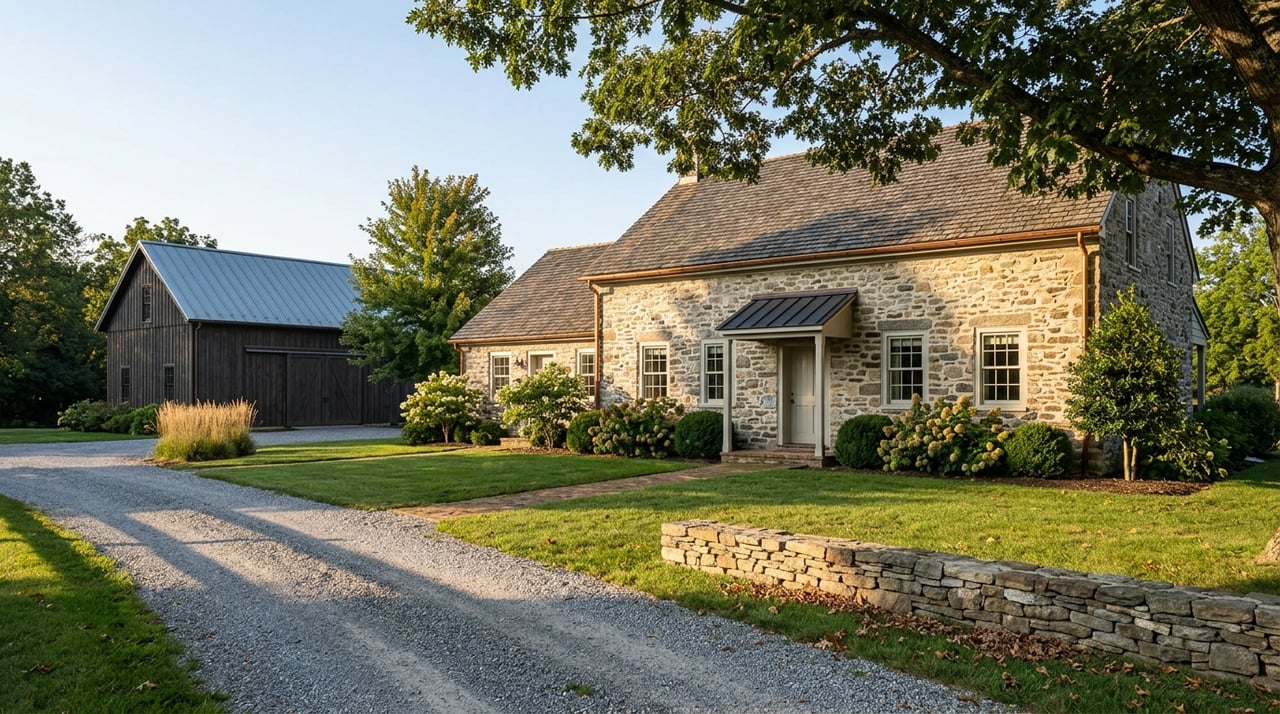
Delaware Township is not a place where you should assume open land is wide open for any future plan. The local zoning code makes clear that the A-1 and A-2 zones are agricultural preservation areas, with development patterns built around continued farming, open space, and low-density residential use.
That matters because many buyers are drawn to the area for its beauty, privacy, and rural character. In practice, that same character is protected by rules that can affect lot size, building placement, subdivision potential, and your long-term expectations for nearby properties.
A-1 and A-2 zoning shape expectations
In the township code, A-1 development averages three-acre minimum lots, while A-2 development averages six-acre minimum lots. There are also provisions for certain lawful preexisting lots without public water and sewer, with minimum lot areas of 1.5 acres in A-1 and 3 acres in A-2.
If you are looking at an older parcel, that exception is worth careful review. A lot that appears straightforward on paper may have unique legal status, and that can affect whether it is buildable in the way you expect.
Rural does not mean unrestricted
The township code is designed to preserve prime soils, drinking water recharge areas, woodland, and agricultural land. So if you are picturing a future home, guest structure, hobby farm, or land investment, the first question is not just how much acreage there is. It is how the parcel is zoned and what the code allows on that specific site.
Buildable Area Matters More Than Total Acreage
One of the most common mistakes land buyers make is focusing on the size of the parcel before understanding the usable footprint. In Delaware Township, the code requires more than just a legal lot. It also requires a viable place to build.
The township requires frontage on a public street, an approved street backed by a guarantee, or a suitably improved private accessway. It also requires buildings and septic disposal fields to be located within the building envelope, and that envelope must exclude resource protection areas.
Why a large parcel may build small
A parcel can look generous on a survey or listing sheet and still offer limited flexibility once setbacks, environmental buffers, utility locations, and protected areas are taken into account. That is especially important on agricultural tracts and land with natural features.
Topography, drainage, wetlands, floodplain issues, and stream corridor protections can all affect where a home, driveway, septic field, or other improvements may go. In some cases, those factors can materially shrink the true buildable area.
Check access and physical layout early
Before you fall in love with the setting, confirm the basics:
- Legal access to the parcel
- Road frontage or approved accessway status
- Building envelope location
- Setback requirements
- Easements that affect use
- Lot shape and topography
These are not small details. They directly shape whether the property works for your goals.
Water and Septic Should Be Early Priorities
For land buyers in Delaware Township, water and wastewater are central due diligence issues. The Delaware Township Municipal Utilities Authority provides water and wastewater service in the village of Sergeantsville, but many parcels outside that area may depend on a private well, a septic system, or both.
That means your review should start early, well before closing. On raw land, septic feasibility is a technical issue with real timing, cost, and approval implications.
Understand the septic process
Hunterdon County’s checklist for new construction or septic alterations outlines a process that typically begins with hiring an engineer. From there, the process can include soil permeability tests and soil logs with a township witness present, system design, plan submission, any needed additional approvals, and ultimately a Certificate of Completion before a Certificate of Occupancy.
In plain terms, a parcel is not automatically ready for a future home just because it is listed as land. Septic design and approval can be a major part of determining whether the property is truly feasible for your intended use.
Private well rules matter at closing
If the parcel uses a potable private well, New Jersey’s Private Well Testing Act requires testing when property is sold or leased. The New Jersey Department of Environmental Protection states that closing may not occur until both buyer and seller have reviewed the test results.
For Hunterdon County, required testing includes multiple contaminants, including bacteria, nitrates, pH, iron, manganese, lead, arsenic, PFAS, VOCs, synthetic organic compounds, and uranium. Even if you are buying land for a future build, understanding well conditions and testing rules can help you plan more realistically.
County and Township Records Can Reveal Key Issues
Land due diligence is often a records search as much as a site visit. Hunterdon County Health Department maintains records related to septic, wells, underground storage tanks, construction referrals, complaints, and private well testing.
The county also notes that septic records may sometimes be kept by the municipality, so a complete search may involve both county and township sources. That extra step can be valuable, especially when you are evaluating an older parcel or land with prior improvements.
Use disclosure questions as a buyer checklist
New Jersey’s seller property condition disclosure form offers a useful framework for reviewing land-related concerns. It asks about flood hazard zones, drainage or flood problems, protected wetlands, utility easements, boundary disputes, shared driveways, surveys, and deed restrictions.
Even if a transaction involves vacant land or a property with limited improvements, those categories can help you ask better questions. They also point to the types of issues that may affect use, insurance, future planning, and resale.
Consider Farm Activity and Daily Reality
One reason buyers are drawn to Delaware Township is the landscape itself. Fields, woodlands, and preserved rural views create a sense of calm that is hard to replicate. But if you are buying land here, it is important to understand that agricultural activity is not just part of the backdrop. It is part of the intended land-use pattern.
The township code states that A-1 and A-2 zones are meant to support agriculture and limit nonagricultural conflicts. It also says right-to-farm protections apply day or night, including Sundays and holidays, and may include equipment movement, pesticide application, odors, dust, noise, and fumes associated with farming.
Privacy and quiet are not the same thing
A property may feel private because it is set back, wooded, or surrounded by open land. That does not necessarily mean it will be consistently quiet or untouched by normal farm operations nearby.
If privacy is one of your top priorities, pay attention to adjacency. Walk the land, study nearby uses, and ask how surrounding properties are currently operated, especially if active farmland borders the parcel.
Review Farmland Assessment Before You Change Use
Farmland assessment can significantly affect a parcel’s carrying costs. In New Jersey, the Farmland Assessment program generally requires at least five acres actively devoted to agricultural or horticultural use for two years, along with minimum gross-income requirements.
The state also notes that changing the use from agricultural to non-farm use can trigger roll-back taxes. If a parcel already benefits from farmland assessment, that status should be reviewed carefully before you plan a new residence, subdivision, or different use.
Ask direct questions about tax status
Before you buy, confirm:
- Whether the parcel is farmland-assessed
- How the land is currently being used
- Whether a change in use could trigger roll-back taxes
- Whether planned improvements could affect that status
This is one of those details that can materially change the financial picture. It is best understood before you commit, not after.
Larger Parcels May Face Additional Review
If you are considering a larger land purchase, the township’s review lens becomes even more important. Delaware Township requires major-subdivision applicants in A-1 to submit an Agricultural Information Report.
For major subdivisions over 30 acres in A-1 or A-2, an Environmental Information Report is also required. That signals how seriously the township evaluates soils, water, agricultural impacts, and environmental effects when larger tracts are involved.
Think beyond the purchase price
With larger parcels, your due diligence should account for both current use and future process. A tract may offer real beauty and long-term value, but approvals, reports, and site constraints can shape what is practical.
For many buyers, that means assembling the right team early, including legal, engineering, and tax guidance as needed. The goal is not to make the process feel complicated. It is to make your decision informed.
A Smart Land-Buying Checklist
Before buying land in Delaware Township, make sure your review covers the issues most likely to affect usability and long-term value:
- Zoning district and permitted use
- Minimum lot size and status of any preexisting lot
- Legal access and road frontage
- Easements, deed restrictions, or conservation easements
- Building envelope and setback limits
- Floodplain, wetlands, drainage, and stream corridor concerns
- Septic feasibility and timeline for approvals
- Well service, private well testing, or utility availability
- County and township records for prior systems or permits
- Farmland assessment status and possible roll-back taxes
- Nearby farm operations and right-to-farm realities
Buying land here can be deeply rewarding, especially if you value open space, stewardship, and a more intentional pace. The key is to look beyond the romance of acreage and understand exactly how a parcel functions in the real world.
When you do that work upfront, you can move forward with much more clarity and confidence. And in a place like Delaware Township, that kind of local understanding matters.
If you are considering land in Delaware Township and want a thoughtful, locally grounded perspective on acreage, setting, and the questions worth asking before you buy, Jacqueline Haut Evans would be glad to help.
FAQs
What should you check before buying land in Delaware Township?
- You should review zoning, legal access, building envelope limits, environmental constraints, septic feasibility, water source, easements, deed restrictions, farmland assessment status, and county or township records.
Does Delaware Township zoning affect how you can use land?
- Yes. Delaware Township’s A-1 and A-2 zones are agricultural preservation areas, and those rules can affect lot size, subdivision potential, building placement, and long-term surrounding land use.
Can a large parcel in Delaware Township still have limited buildability?
- Yes. Floodplain areas, wetlands, stream corridor protections, setbacks, easements, and building envelope rules can reduce the practical area where you can build.
Do you need a well and septic for land in Delaware Township?
- Many parcels outside the Sergeantsville utility service area may rely on a private well, a septic system, or both, so you should verify utility availability early.
What records should you request for land in Hunterdon County?
- You should check available septic, well, underground storage tank, and related health department records, while also confirming whether additional septic records are held by the township.
Can farmland assessment affect the cost of owning land in Delaware Township?
- Yes. Farmland assessment can lower taxes, but changing the land from agricultural use to non-farm use may trigger roll-back taxes under New Jersey rules.