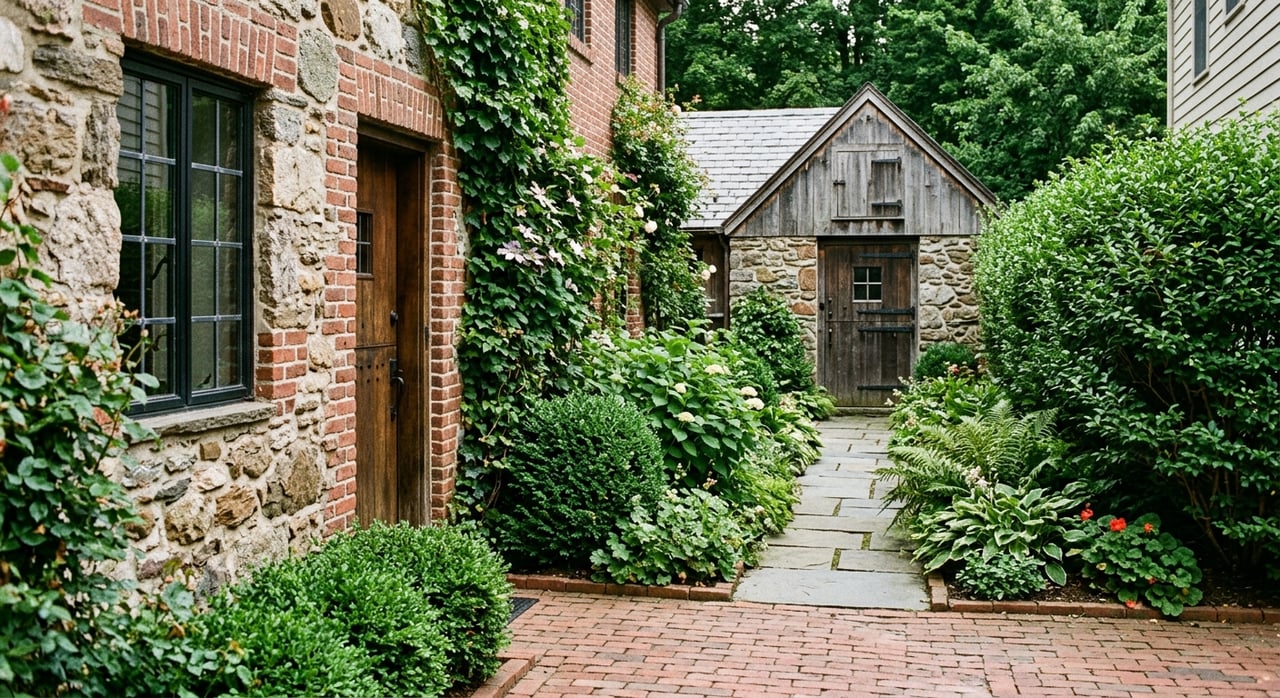
If you are drawn to New Hope, one question tends to surface quickly: do you want to live in the village energy of the borough, or just beyond it in the quiet of the countryside? Both settings offer a strong sense of place, but they shape your daily life in very different ways. If you are weighing charm, convenience, privacy, and property style, this guide will help you see the contrast more clearly. Let’s dive in.
New Hope offers two distinct lifestyles
New Hope is a compact river borough of about 1.25 square miles on the west bank of the Delaware River. It is bordered by Solebury Township, with Lambertville just across the river in New Jersey. That small footprint is part of what makes the shift from village living to countryside living feel so immediate.
In practical terms, you are not choosing between two far-apart markets. You are choosing between two ways of living that sit very close to each other. One centers on walkability, historic texture, and an active downtown. The other leans toward open space, privacy, and a more tucked-away setting.
Village living in New Hope Borough
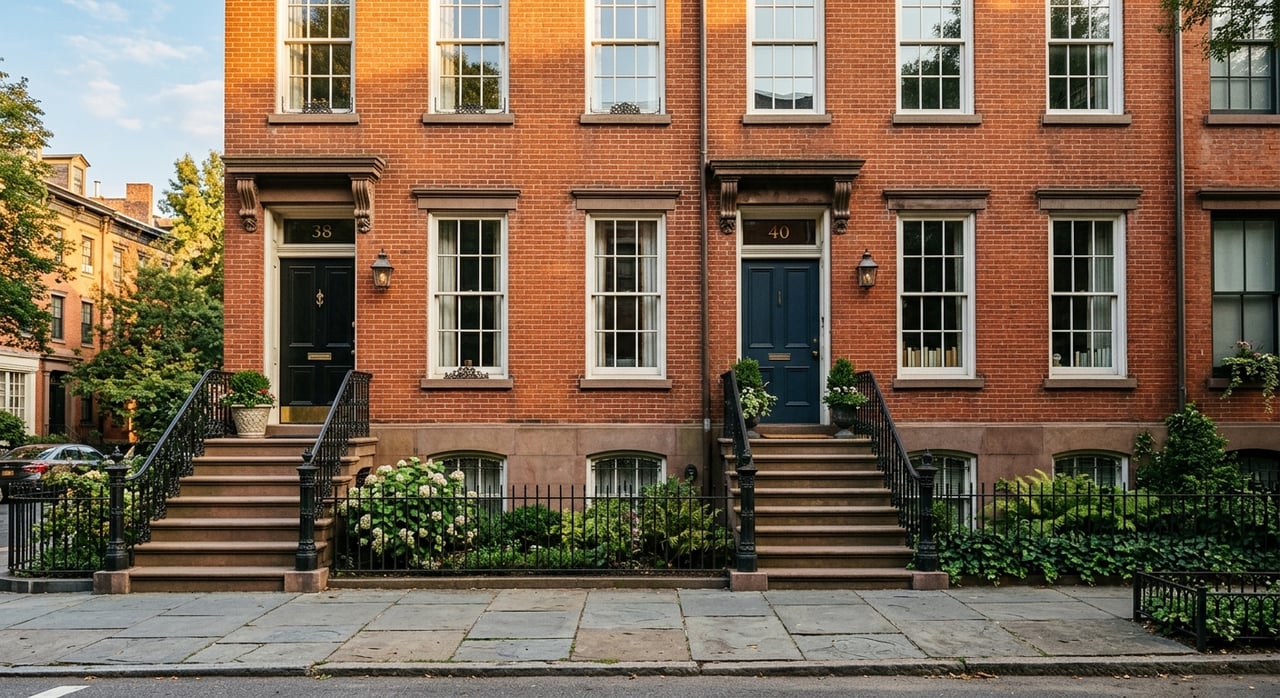
Village living in New Hope is about proximity. The borough describes its center as compact and walkable, with shopping woven into the town fabric, while the broader visitor experience is shaped by riverside restaurants, eclectic retail, and cultural attractions. If you like being able to step out for dinner, browse shops, or enjoy the atmosphere without planning every outing around your car, the borough has a clear appeal.
That said, village living here is not the same as living in a sleepy small town. The borough notes that visitor traffic increases on weekends, which means downtown can feel lively and active. For some buyers, that energy is part of the magic. For others, it is something to consider carefully before choosing an in-town home.
What daily life feels like in town
Living in the borough often means your routines become more spontaneous. You may walk to a coffee shop, head out to dinner, or enjoy the riverfront and downtown streets on foot. That kind of convenience can create a lifestyle that feels connected and visually rich.
Even within town, there are quieter moments and green spaces. New Hope Borough manages places like Lenape Park and Ferry Landing Park, and wooded stream corridors such as Aquetong Creek and Ingram Creek run through the borough fabric. So while the setting is more active, it still includes pockets of calm, water views, and short scenic walks.
What homes in the borough often offer
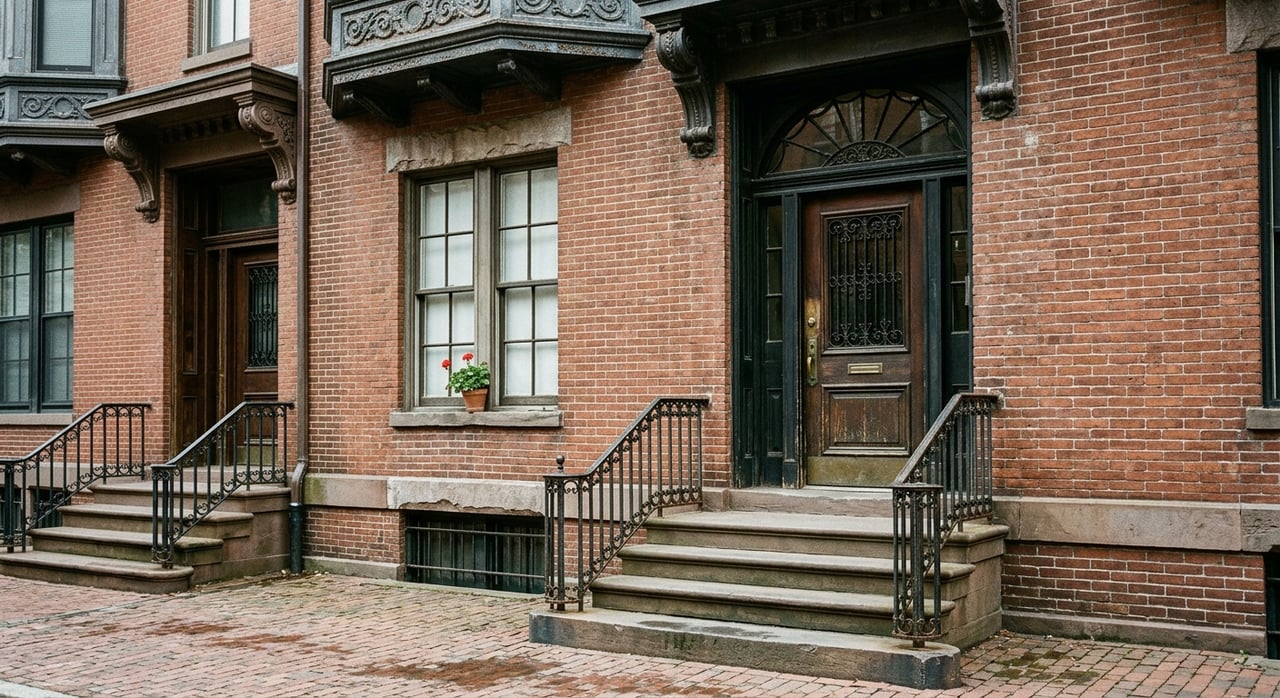
In-town housing tends to be character-driven. The borough references historic inns and homes, and that architectural texture is part of what many buyers find so compelling. If you are looking for a home with age, detail, and a sense of story, the borough often delivers that in a way newer areas cannot.
Owning in the historic districts also comes with responsibility. New Hope uses HARB review and Certificates of Appropriateness for many exterior changes in historic districts. That means preservation and design standards are not just background details. They can be a meaningful part of ownership and future planning.
Countryside living around New Hope
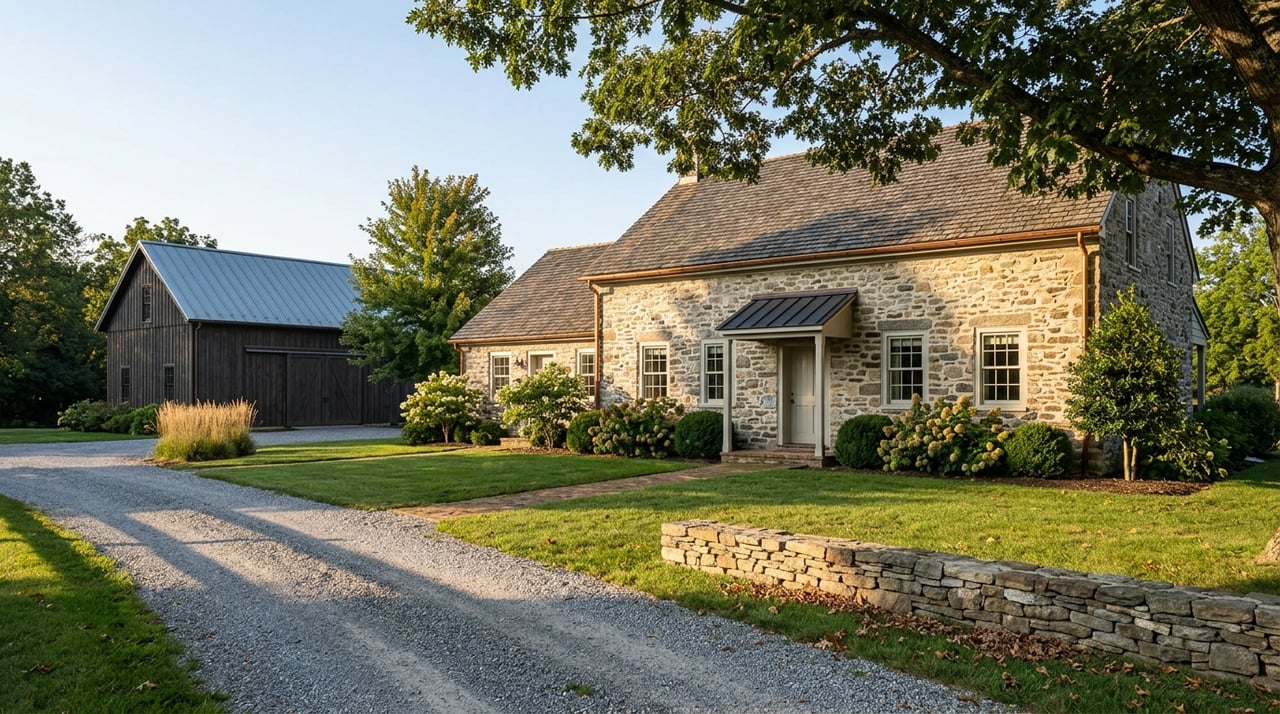
Just outside the borough, the setting changes quickly. In Solebury Township, the landscape is defined by open space, small farms, estate lots, and homes with more land around them. The township’s own preservation efforts help protect that rural character and support agriculture as an ongoing part of the area.
Solebury reports that nearly 40% of the township is protected in some form. That fact helps explain why the countryside near New Hope often feels so visually intact. Roads, fields, wooded stretches, and more secluded residential settings create a very different rhythm from the village center.
What daily life feels like in the countryside
Countryside living is usually less about stepping into the middle of activity and more about stepping away from it. You may trade walkable errands for longer driveways, open views, and a quieter return home at the end of the day. For many buyers, that privacy is the point.
This setting can be especially appealing if you value land, room to breathe, and a stronger sense of separation from visitor traffic. The experience is often more residential and less public-facing than life in the borough. If your idea of home includes gardens, barns, fields, or simply more space around you, the countryside may feel like the better fit.
What homes in the countryside often offer
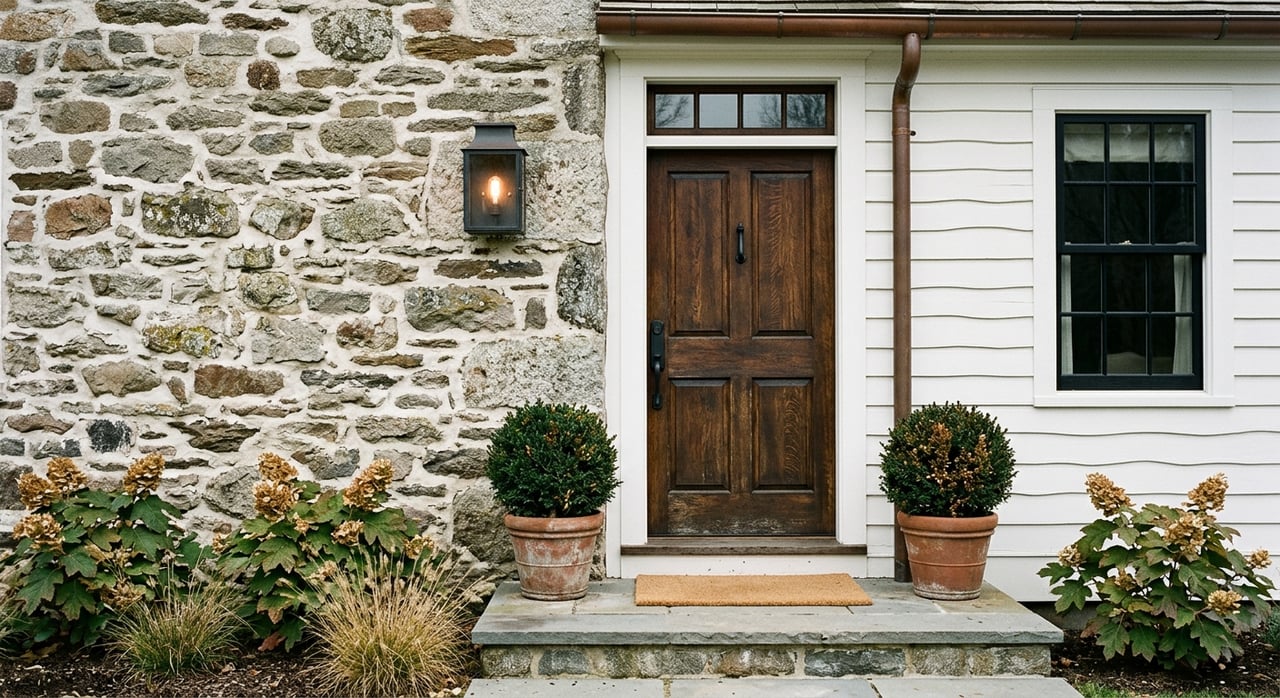
The countryside around New Hope tends to include larger-lot properties. Based on Solebury’s own descriptions, that may mean farmhouses, estate homes, preserved farm parcels, and houses set back from the road with more acreage. These homes often appeal to buyers who want both architecture and setting.
They also tend to ask more of you in terms of property understanding. Land, infrastructure, and site conditions matter more when you move beyond a compact borough setting. That does not make the process difficult, but it does make local guidance especially valuable.
Village versus countryside at a glance
The clearest contrast is simple. New Hope Borough offers walkable, historic, river-town convenience. The surrounding Solebury countryside offers land, privacy, and preservation-led scenery.
Here is a practical way to think about it:
Choose village living if you want:
- Walkability and a compact town center
- Easy access to dining, shopping, and arts
- Historic homes and a lively atmosphere
- Riverfront character and public gathering spaces
Choose countryside living if you want:
- More land and privacy
- Open views and a quieter setting
- Farm, estate, or setback-from-the-road properties
- A preservation-minded rural landscape
Neither option is better in a universal sense. The right choice depends on how you want your home to support your everyday life.
Practical details buyers should not overlook
Lifestyle is important, but so is due diligence. In New Hope and the surrounding countryside, a few practical issues deserve early attention because they can shape both your budget and your decision-making.
Historic district rules in New Hope Borough
If you are considering a home in one of the borough’s historic districts, exterior work may require additional review. New Hope states that HARB reviews proposed work in historic districts, and applicants must first address zoning and construction-code review before seeking a Certificate of Appropriateness. If preserving original character matters to you, this process may feel like a benefit. If you hope to make frequent exterior changes, it is wise to understand the rules upfront.
Flood awareness near the river
River-adjacent and low-lying properties call for careful flood awareness. New Hope participates in the National Flood Insurance Program, and the borough explains that federally regulated or federally insured lenders must require flood insurance in Special Flood Hazard Areas. If you are drawn to a river setting, this is simply part of smart early research.
Extra checks for rural properties
Country properties often involve more site-specific review than homes in a compact borough. Solebury’s Planning and Zoning materials specifically reference wells, sewage management, floodplain, subdivision and land development, and stormwater among the matters handled outside the standard permit flow. For buyers, that is a reminder to look closely at how a property functions, not just how it looks.
What sellers should keep in mind
If you are selling in New Hope or nearby Solebury, the village-versus-countryside distinction should shape how your home is presented. A borough property may need its walkability, architectural character, and relationship to town amenities framed clearly. A countryside property often benefits from thoughtful storytelling around land, privacy, setting, and the experience of arrival.
This is where presentation matters. Distinctive homes tend to resonate most when the marketing reflects not just the rooms, but the life the property makes possible. In a market like New Hope, that means showing buyers whether your home is about stepping into the village or stepping away from it.
How to decide which setting fits you
If you are still unsure, try asking yourself a few honest questions:
- Do you want to walk to dining and shops, or would you rather come home to more space and quiet?
- Are you energized by a town atmosphere, especially on weekends, or do you prefer a more private setting?
- Does historic architecture appeal to you enough to work within preservation guidelines if needed?
- Would you enjoy caring for land, or would you rather have a lower-maintenance property footprint?
- Is your home meant to be in the middle of your social life, or more of a retreat?
The answers usually point you in the right direction. In New Hope, the beauty is that both choices are compelling. You can choose the village for its texture and ease, or the countryside for its calm and scale, all within the same larger river-town world.
Whether you are drawn to a walkable in-town home or a more private country property, working with a local advisor who understands both settings can make your search far more focused and thoughtful. If you are considering a move in New Hope or the surrounding Delaware River towns, Jacqueline Haut Evans can help you evaluate the lifestyle, property details, and presentation strategy that best fit your goals.
FAQs
What is the difference between living in New Hope Borough and Solebury countryside?
- New Hope Borough is compact, walkable, and centered around a historic river-town downtown, while the surrounding Solebury countryside is defined by open space, larger lots, privacy, and preserved rural character.
What should buyers know about historic homes in New Hope Borough?
- Buyers should know that many exterior changes in historic districts may require HARB review and a Certificate of Appropriateness, along with zoning and construction-code review.
What should buyers know about flood considerations in New Hope?
- Buyers should pay close attention to flood risk for river-adjacent and low-lying properties, since flood insurance may be required by federally regulated or federally insured lenders in Special Flood Hazard Areas.
What should buyers check when purchasing a countryside property near New Hope?
- Buyers should expect added due diligence around items such as wells, sewage management, floodplain issues, stormwater, and other site-specific planning and zoning considerations.
What type of buyer is best suited to village living in New Hope?
- Village living often suits buyers who want walkability, easy access to dining and shopping, historic character, and an active downtown atmosphere.
What type of buyer is best suited to countryside living near New Hope?
- Countryside living often suits buyers who want more land, a quieter setting, open views, and homes such as farmhouses, estate properties, or other larger-lot residences.