When you sell a home in Solebury, you are rarely selling just square footage. You are often presenting a setting, a mood, and a way of living that buyers start judging long before they schedule a tour. If you want your home to stand out in a market shaped by historic character, open land, and distinctive architecture, design-led marketing can help you make a stronger first impression. Let’s dive in.
Why Solebury Homes Need More Than Standard Marketing
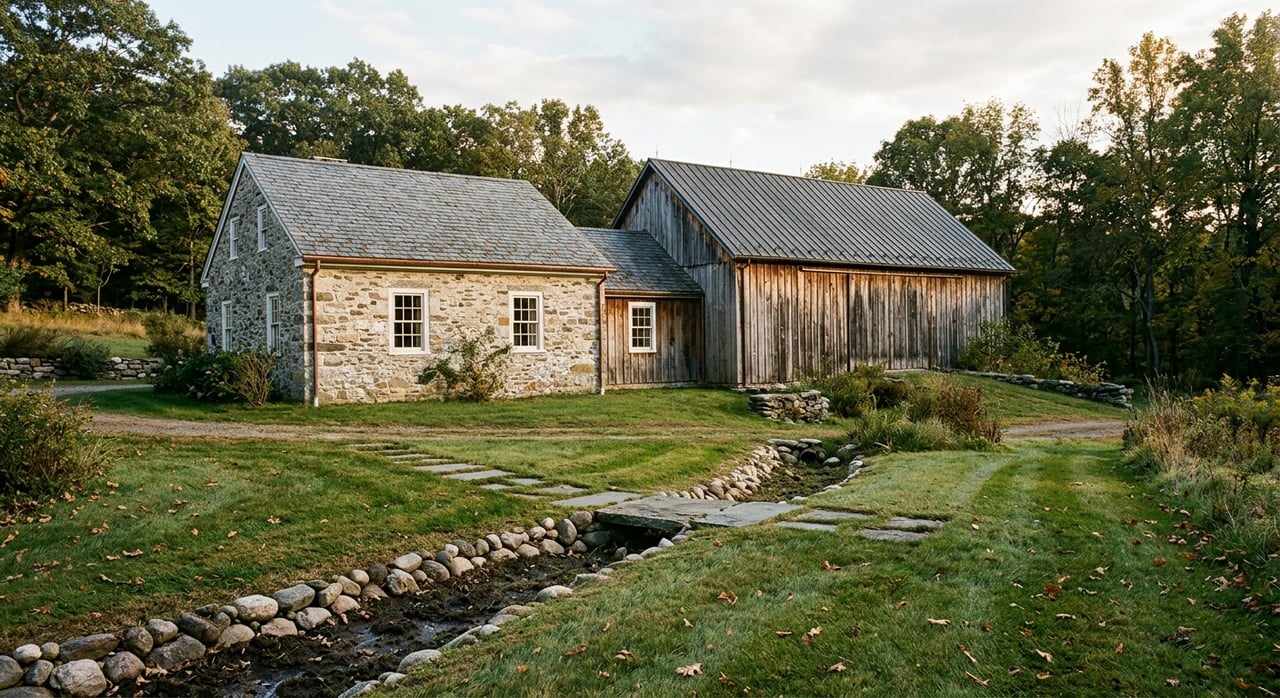
Solebury is not a one-size-fits-all market. Township and historical sources describe a community with six historic districts, four National Historic Landmarks, and roughly 40% of land under some form of protection from further development. The area also includes many fieldstone houses and more than 400 homes built in the 18th and 19th centuries.
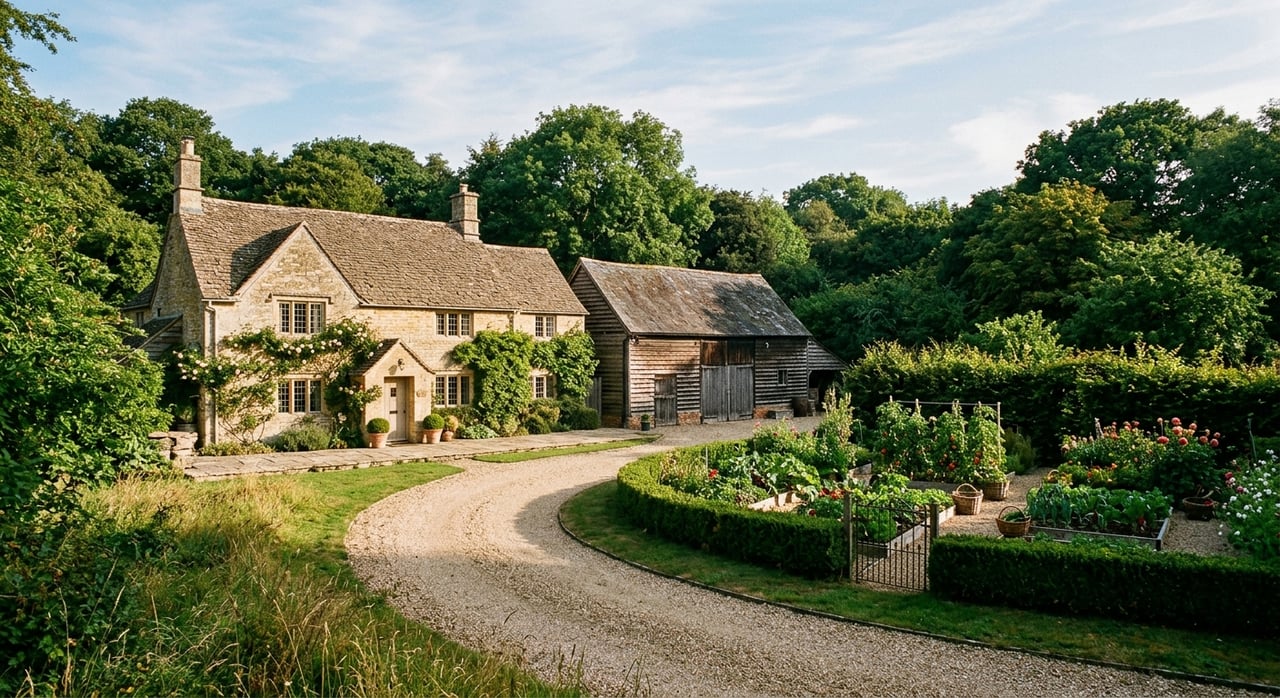
That matters because many homes here are valued not only for their rooms and finishes, but also for their relationship to the land, their architectural details, and their sense of place. A stone farmhouse, village home, or acreage property often asks for a more thoughtful presentation than a standard listing package can provide.
Why First Impressions Now Happen Online
Before buyers ever walk through your front door, they are forming opinions online. According to NAR’s 2024 housing report, 43% of buyers first started their home search on the internet, and all buyers used the internet during their search. The most useful online content was photos at 41%, detailed property information at 39%, and floor plans at 31%.
This is especially important in Solebury, where homes may have unusual layouts, historic features, or outdoor elements that need context. Strong visuals and clear storytelling help buyers quickly understand what makes a property special and whether it fits what they are looking for.
NAR also found that buyers typically searched for 10 weeks, viewed seven homes, and saw two of them online only. In other words, your listing media is not an extra. It is often the first showing.
What Design-Led Marketing Really Means
Design-led marketing is not about making a home look trendy or overproduced. It is about presenting the home with clarity, restraint, and intention so the right buyer can immediately understand its value.
For some properties, that means editing furniture, improving flow, and letting original materials speak. For others, it means using staging, lighting, floor plans, video, and narrative copy to show how the spaces connect and how the property lives day to day.
In a place like Solebury, design-led marketing should help buyers see both the house and the atmosphere around it. The goal is not to distract from the property. The goal is to reveal it.
Staging Helps Buyers See the Home
If you are wondering whether staging is worth it, the data points to yes in many cases. NAR’s 2025 staging report found that 83% of buyers’ agents said staging made it easier for buyers to envision the property as a future home. The same report found that 49% of sellers’ agents observed reduced time on market for staged homes.
There may also be pricing benefits. In that same report, 29% of sellers’ agents said a staged home received a 1% to 10% increase in the dollar value offered.
For sellers, this does not always mean fully furnishing every room. Often, the most effective approach is selective and strategic.
Which Rooms Matter Most
NAR found that the most commonly staged rooms were:
- Living room: 91%
- Primary bedroom: 83%
- Dining room: 69%
- Kitchen: 68%
If you are preparing a Solebury home for market, these spaces usually deserve the most attention. They are the rooms that help buyers picture everyday life, entertaining, comfort, and flow.
What Staging Looks Like in Solebury
For a farmhouse or historic home, staging often works best when it is restrained. Removing excess furniture, softening visual clutter, and clarifying room purpose can help original stonework, millwork, ceiling height, and natural light read more clearly.
For a larger estate or contemporary property, the focus may be different. There, staging may be more about scale, circulation, and highlighting the connection between indoor rooms and outdoor living areas.
NAR reported a median staging-service cost of $1,500 when a staging service was used, compared with $500 when the agent handled staging themselves. That makes staging less of a cosmetic luxury and more of a practical part of a broader sale strategy.
Photography and Video Shape Buyer Interest
A strong visual campaign matters because buyers use listing media to narrow options before they commit to touring. NAR’s guidance for online listings recommends using as much visual information as possible, including photos, video, virtual tours, and floor plans.
That recommendation fits Solebury especially well. Character homes often include details that need explanation, such as outbuildings, unusual room arrangements, or a house that sits beautifully on the land but cannot be understood from one front exterior photo.
What Strong Listing Media Should Show
For distinctive homes, a thoughtful photo and video plan should help buyers understand:
- The approach to the home
- Key rooms and how they connect
- Architectural details and notable materials
- Outdoor living spaces
- Views, landscape, and setting
- Barns, studios, or other outbuildings when relevant
NAR also recommends room-by-room photography, close-ups of notable features, outdoor-space coverage, twilight images, and digital walkthroughs. These tools help buyers move from curiosity to confidence.
Why Floor Plans Matter More Than Sellers Think
Floor plans are one of the most useful tools in design-led marketing because they remove uncertainty. Buyers can admire a beautiful kitchen in photos, but they often need a floor plan to understand how the home actually functions.
That matters even more in older or custom homes, where layouts may not follow modern expectations. Floor plans help buyers understand room arrangement, circulation, and how the main house relates to porches, wings, garages, or outbuildings.
Zillow’s 2024 buyer research found that 86% of buyers agreed they were more likely to view a home if the listing included a floor plan they liked. The same research found that 70% said 3D tours helped them get a better feel for the space than static photos.
At the same time, only 4% of buyers said they made an offer completely unseen. That is a helpful reminder that digital media should attract and qualify buyers, not replace the in-person experience.
Storytelling Helps the Right Buyer Connect
In a market like Solebury, facts matter, but story matters too. NAR recommends narrative-style property descriptions that help buyers imagine living in the home rather than simply reading room counts and finish lists.
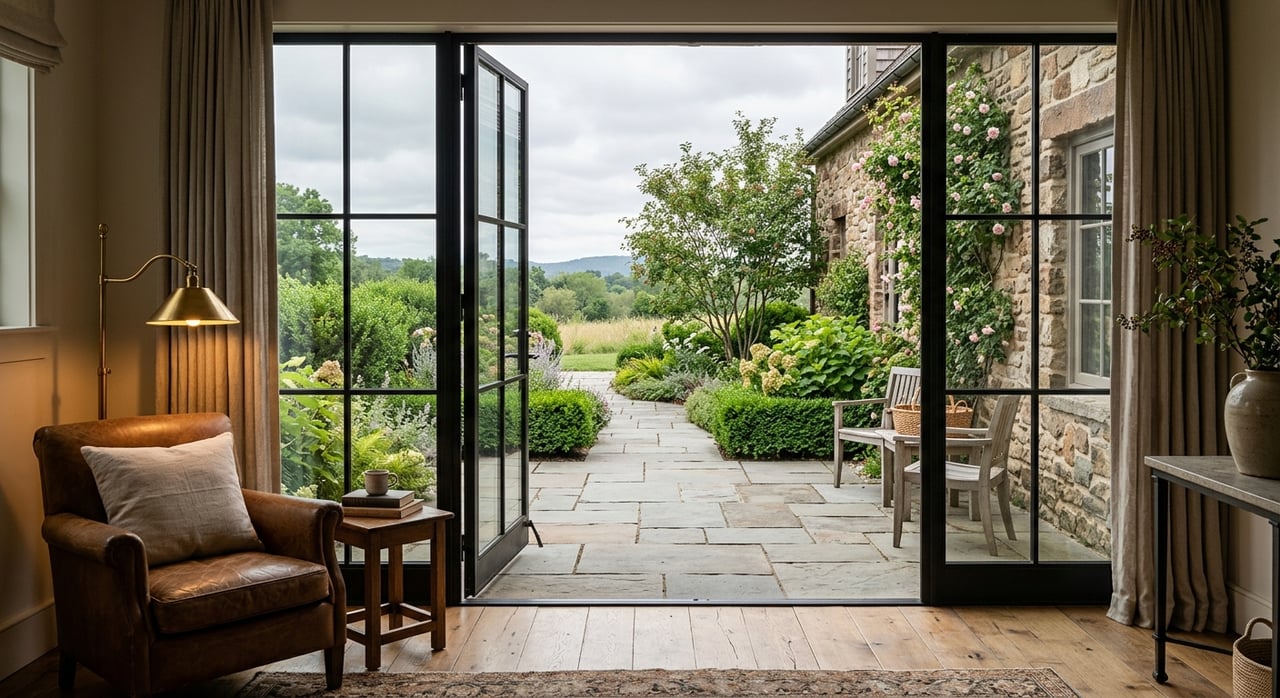
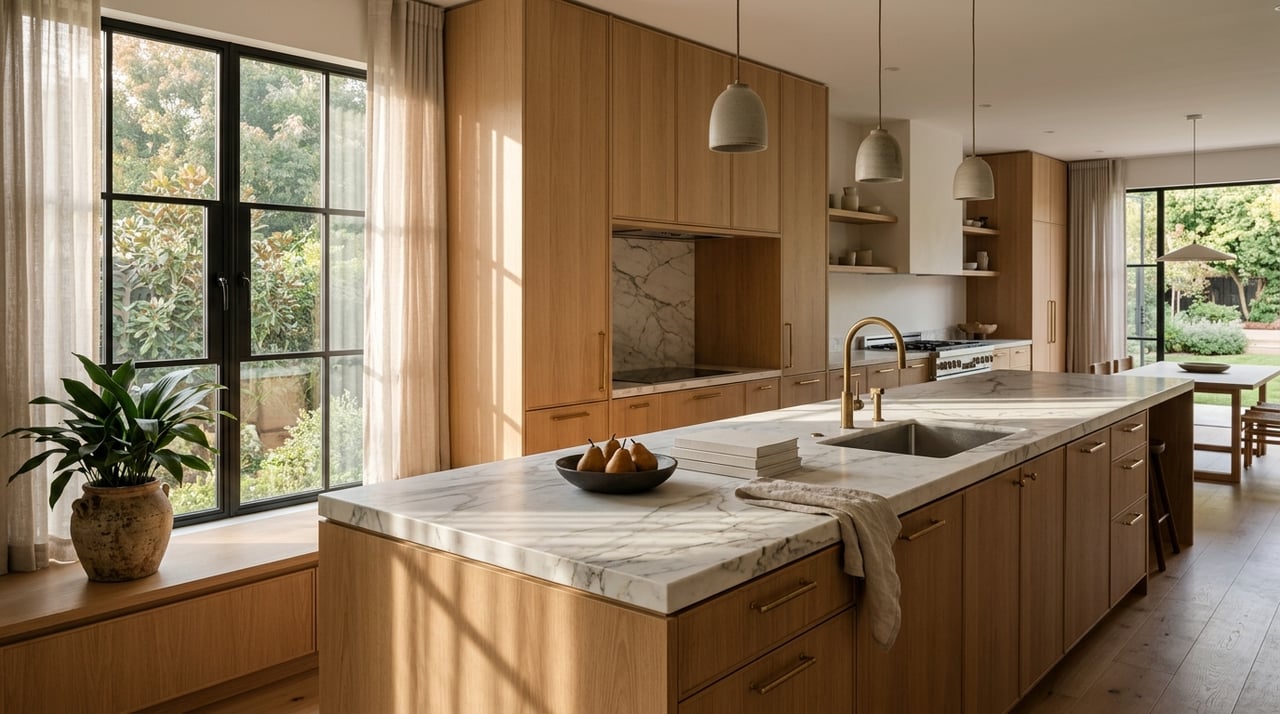
For a Solebury listing, that might mean describing how the morning light moves through a kitchen, how French doors open to a terrace, or how a barn, studio, or garden supports the way you live. It can also mean showing the relationship between the house and its land, which is often part of the appeal.
This is where design-led marketing becomes especially powerful. A well-crafted narrative helps attract buyers who respond to character, craftsmanship, and setting, not just checklists.
Historic Features Should Be Presented Honestly
If your home is in or near one of Solebury’s historic areas, thoughtful marketing is especially important. The township notes that renovations and new construction in some historic districts are reviewed for effects on historical and architectural integrity.
That means your marketing should celebrate authentic features rather than suggest easy changes that may not be simple to pursue. Buyers tend to respond best when a property is presented with honesty, clarity, and respect for what makes it distinctive.
Design-Led Marketing Supports Pricing Strategy
In an active market, presentation still matters. Realtor.com reported about 1,800 homes for sale in Bucks County in March 2026, with a median 25 days on market and a sale-to-list price ratio of 100%. Redfin reported a median sale price of $509,000 over the three months ending April 2026 and a 21-day median market time.
Even in a market where homes are moving, sellers still benefit when a property launches with stronger visuals, clearer positioning, and a more polished story. Good marketing does not replace pricing strategy, but it supports it by helping buyers understand why your home deserves attention.
NAR’s seller-priority data also shows why this matters. Sellers place high importance on help marketing the home to potential buyers, pricing it competitively, and selling within a specific timeframe. From that perspective, staging, photography, and video are not separate add-ons. They are part of how a home is positioned from day one.
What Sellers Can Do Before Listing
If you are preparing to sell a home in Solebury, a design-led approach usually starts before the photographer arrives. A few focused steps can make a meaningful difference.
Start With Editing
Walk through your home with fresh eyes and remove anything that distracts from scale, light, or architectural detail. Less furniture, clearer surfaces, and more defined room purpose often create stronger photos and better in-person flow.
Prioritize the Core Rooms
Put the most effort into the living room, primary bedroom, dining room, and kitchen. These are the spaces buyers tend to focus on first, both online and during showings.
Plan for the Full Property Story
If your home includes acreage, gardens, a pool, a guest house, a barn, or studio space, make sure the marketing plan explains those features clearly. Distinctive properties need complete visual and narrative context.
Match the Marketing to the Home
A village house, a stone farmhouse, and a modern country estate should not be marketed the same way. The tone, visuals, and staging approach should reflect the architecture and setting.
The Real Advantage of Design-Led Marketing
At its best, design-led marketing helps your home feel legible, memorable, and emotionally resonant. It brings order to what could feel confusing, and it helps the right buyer see the property’s value faster.
In Solebury, where so many homes carry a strong sense of history, land, and character, that kind of presentation can make a real difference. When buyers understand not just what your home has, but what it feels like to live there, your listing has a better chance to stand apart.
If you are thinking about selling a distinctive home in Solebury or the surrounding Delaware River towns, Jacqueline Haut Evans offers thoughtful guidance on preparation, presentation, and story-driven marketing designed to connect your home with the right buyer.
FAQs
Is staging worth it for a Solebury home sale?
- Yes, in many cases. NAR’s 2025 staging report found that 83% of buyers’ agents said staging helps buyers envision the property as a future home, and 49% of sellers’ agents said it reduced time on market.
Which rooms matter most when preparing a Solebury listing?
- The living room, primary bedroom, dining room, and kitchen tend to matter most. These were the most commonly staged rooms in NAR’s 2025 staging report.
Do floor plans help market historic or custom homes in Solebury?
- Yes. Floor plans help buyers understand room arrangement, flow, and how the home functions, which is especially useful for older, custom, or nontraditional layouts.
Why do professional photos and video matter for Solebury sellers?
- Buyers often narrow their options online before touring in person. Photos, detailed property information, floor plans, videos, and virtual tours help them understand a home’s character and decide whether to visit.
How should historic features be presented in a Solebury home listing?
- Historic features should be presented clearly and honestly, with attention to authentic materials and architectural character. In some Solebury historic districts, changes may be reviewed for effects on historical and architectural integrity.