Looking for a weekend home that feels genuinely different from the usual suburban escape? Stockton offers a quieter kind of getaway, where river views, historic buildings, canal paths, and a compact village center create a setting that feels both grounded and memorable. If you are considering a second home along the Delaware River corridor, this guide will help you understand what makes Stockton appealing, what kind of lifestyle it supports, and what to keep in mind as you search. Let’s dive in.
Why Stockton Appeals to Weekend Buyers
Stockton is a small historic borough on the Delaware River in Hunterdon County, north of Lambertville. According to the borough’s official history, Stockton began as Reading Ferry and Howell's Ferry, later became Centre Bridge Station, and was incorporated in 1898. That long history still shapes the feel of the town today.
For many weekend buyers, that matters. Stockton does not read like a master-planned destination or a resort area. It feels more like an old river village, with an established center, preserved character, and easy access to scenic outdoor spaces.
The setting adds another layer. The Delaware River Scenic Byway places Stockton among the historic towns along Route 29, noting views of the river, farm fields, forests, and cliffs. If you want a home base that feels connected to both landscape and history, Stockton stands out.
What the Weekend Lifestyle Looks Like
A weekend home in Stockton is less about formal amenities and more about rhythm. You might start the morning with coffee in the village, spend midday walking or biking along the canal corridor, and end the day with dinner nearby. The appeal is in how easy it is to slow down.
The town is closely tied to the Delaware and Raritan Canal corridor. The Delaware and Raritan Canal towpath runs through Stockton as part of a route stretching from Ewing to Frenchtown, with access to canal paths, river wildlife, mills, lock houses, and nearby places to stop and browse.
That means your weekends can stay simple. Instead of packing every hour with plans, you can enjoy a place where walking, cycling, and being near the water are built into the setting.
Outdoor Access in Stockton
For buyers drawn to the outdoors, Stockton offers strong everyday access rather than a single marquee attraction. The canal corridor is central to that experience, especially if you value low-key recreation you can enjoy without much planning.
Just north of town, Bull's Island Recreation Area adds more options. The official map lists a boat launch, canoeing, fishing, picnic areas, a playground, restrooms, and several short trails, including the Bulls Island Natural Area Trail at 0.82 miles, White Oak Trail at 1.1 miles, and Inlet Trail at 1.3 miles.
There is also a pedestrian bridge connection toward Pennsylvania, which adds to the feeling of Stockton as part of a broader river-town network. If you picture weekends that include kayaking, biking, walking, and scenic day trips, this area supports that well.
Canal Paths and River Views
The canal towpath is one of Stockton’s defining lifestyle features. It offers a practical way to get outside without needing a long drive or a complicated plan. For second-home buyers, that kind of immediate access can make a real difference in how often you use and enjoy the home.
The broader Scenic Byway corridor also reinforces the visual appeal of the area. River views, farmland, and wooded stretches help create the kind of setting many buyers hope to find when leaving the city for the weekend.
Easy Recreation, Not Resort Living
It is helpful to understand Stockton on its own terms. This is not a resort market built around pools, clubhouses, or high-density vacation properties. Instead, it offers a slower and more grounded experience tied to the river, the towpath, and the surrounding countryside.
For the right buyer, that is exactly the point. If you want a place that feels peaceful, scenic, and rooted in the landscape, Stockton may be a better fit than a more programmed destination.
Dining, Shopping, and Culture
One reason Stockton works well as a weekend base is that it offers just enough in a compact footprint. You can enjoy a meal, stop for coffee, browse local goods, and take in a cultural landmark without needing a long itinerary.
The Stockton Inn is currently operating as both an inn and restaurant. Its site describes Stockton as part of a string of river towns connected by bike paths, hiking trails, and walkable bridges, which aligns with how many buyers experience the area.
Stockton Market adds an artisan bakery and cafe with posted hours Wednesday through Sunday, 8 a.m. to 7 p.m. The same source notes that Sullivan Street Tea & Spice opened a Stockton location on Risler Street directly on the D&R towpath, with Thursday through Sunday hours.
Sugar Maple Jerseys contributes to the village mix with its farm-store and country-store character. Together, these businesses help give Stockton a lived-in feel that suits repeat weekend use.
Prallsville Mills Adds Depth
Prallsville Mills is one of Stockton’s major historic and cultural anchors. The New Jersey Historic Trust describes it as a ten-building complex dating to the early 1700s, including an 1877 grist mill, a 1790 linseed oil mill, an 1850 sawmill, and a 1900 grain silo.
Today, the site has been adapted for an art gallery, public events, and educational programming. If you are drawn to towns with real texture and cultural continuity, this is one of the clearest examples of Stockton’s identity.
What Homes in Stockton Tend to Feel Like
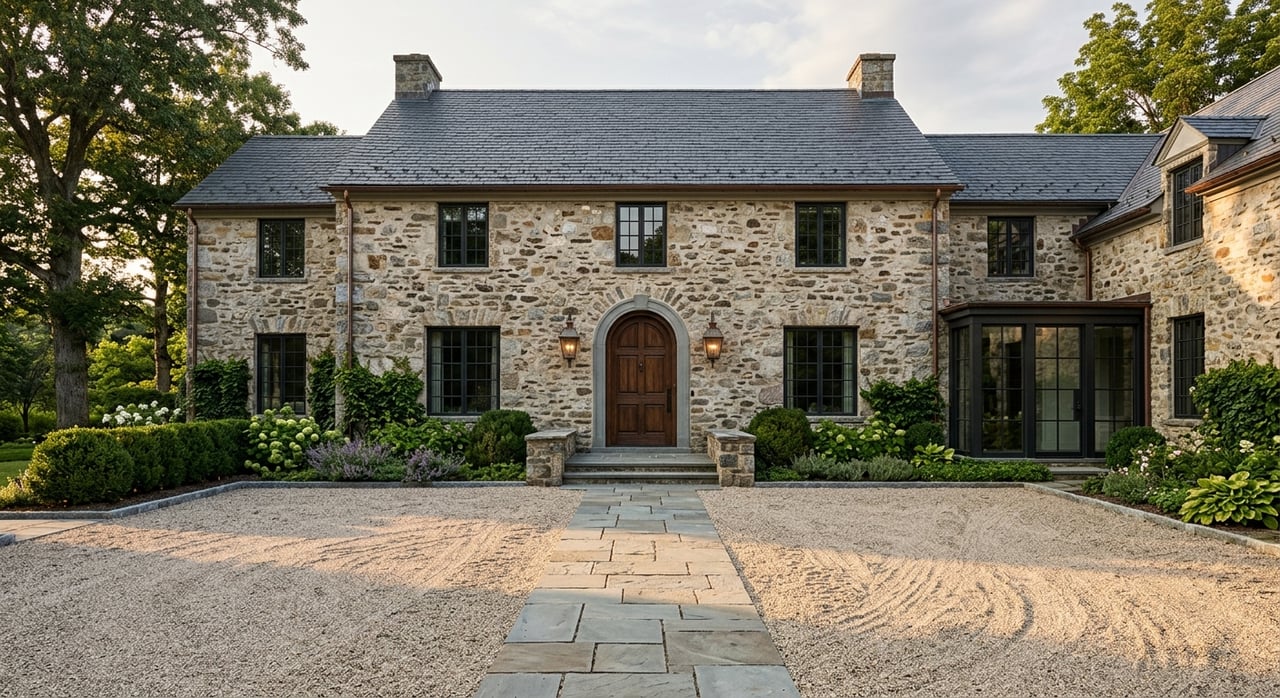
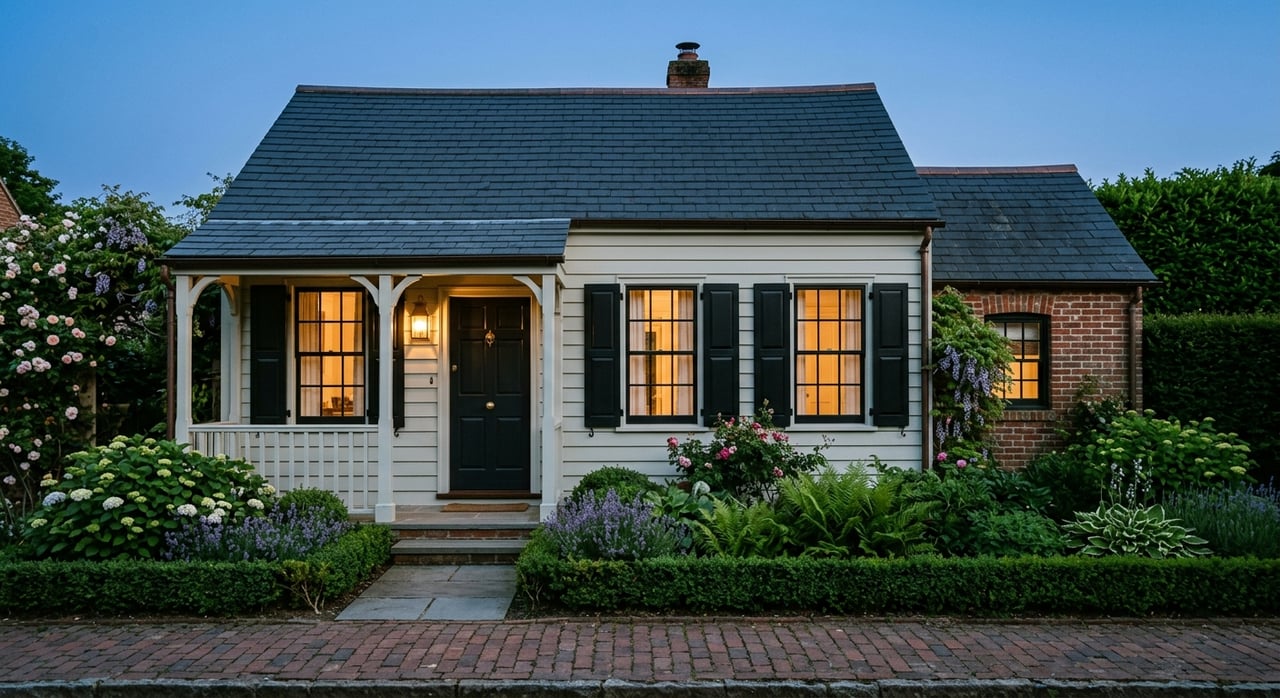
Stockton’s housing character is part of its appeal, especially for buyers who are not looking for a typical newer subdivision. Official and tourism sources consistently frame the area as a historic river town with Victorian-era character, tree-lined streets, Victorian houses, Federal row homes, and preserved mill-era buildings nearby.
That does not mean every available property will look the same, and this guide is not a substitute for current inventory research. Still, it is fair to say the tone of the market leans older, smaller-scale, and village-oriented.
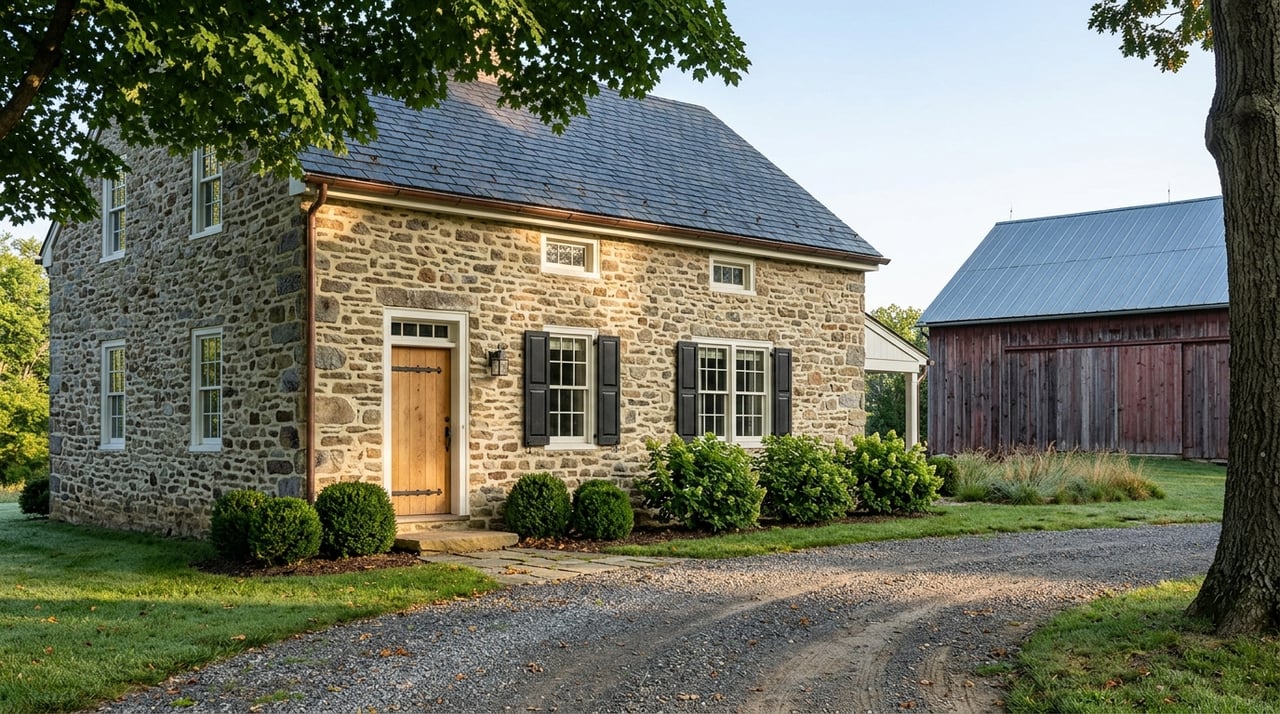
Nearby hospitality and preservation sources support that impression. For example, Woolverton Inn notes that its site began as a simple two-story farmhouse in 1792 and emphasizes preserved farmland and a countryside setting. That gives helpful context for the architectural language and rural backdrop many buyers respond to in the Stockton area.
A Good Fit for Character-Home Buyers
If you love cottages, farmhouses, and homes with a sense of age and setting, Stockton may feel especially compelling. Buyers who want polished predictability may need to adjust expectations, since older homes often come with more individuality.
For many second-home buyers, that tradeoff is worth it. Character, walkability within a small village, and immediate access to the river corridor can create a much richer weekend experience than a more generic property elsewhere.
What to Consider Before You Buy
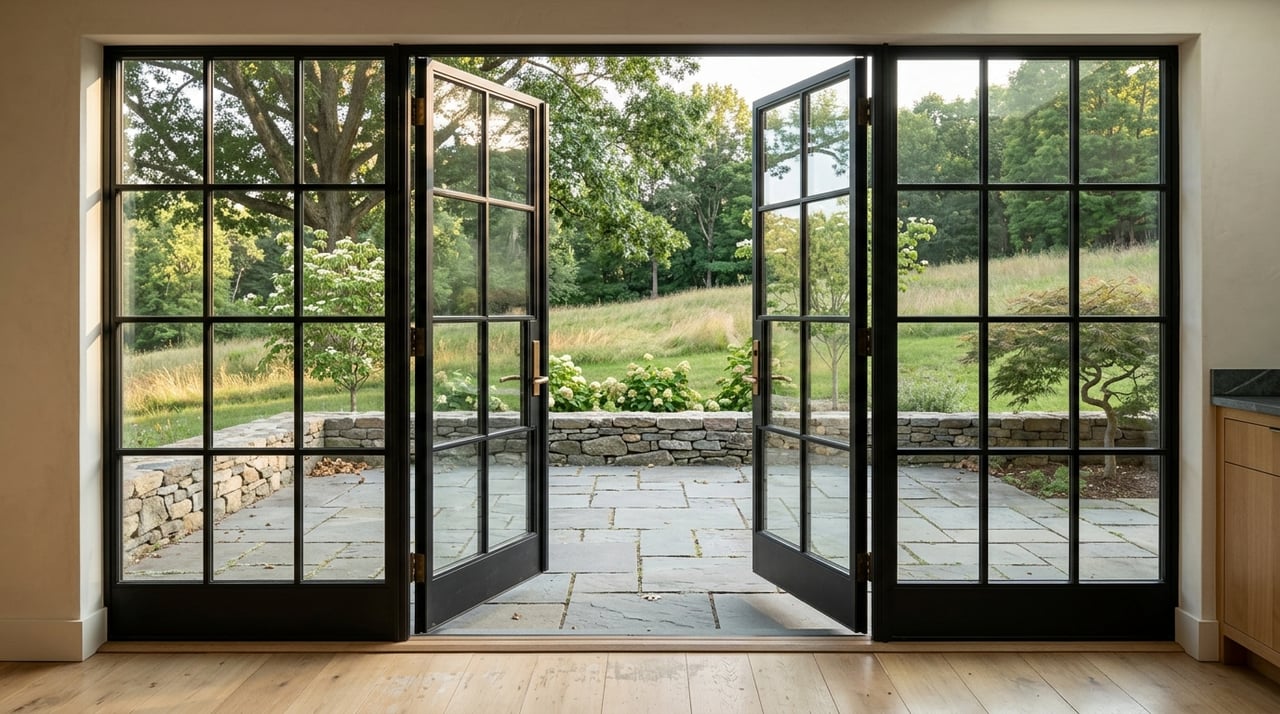
A beautiful weekend home should also work for your real life. If you are buying in a river-town or countryside setting, it helps to look beyond the photos and think carefully about how you plan to use the property.
Here are a few practical questions to ask during your search:
- Do you want to be in or near the village center, or would you prefer a more private countryside setting?
- Are you hoping for walkable access to dining, the canal path, or local shops?
- Does the home’s historic character match your comfort level for maintenance and upkeep?
- Will you mostly use the property for quiet weekends, outdoor recreation, or hosting friends and family?
- How important is immediate access to the Delaware River corridor and nearby trails?
The best weekend-home purchase is not just visually appealing. It should support the pace, habits, and atmosphere you actually want.
Why Local Guidance Matters
In a place like Stockton, buying well often comes down to nuance. The experience of one block, one road, or one setting can feel very different from another, even within a small area. That is especially true when you are comparing village homes, historic properties, and nearby countryside options.
Working with an advisor who understands the Delaware River towns can help you sort through those differences with more clarity. It also helps you stay focused on fit, not just surface charm.
If you are considering a weekend home in Stockton or elsewhere along the river, Jacqueline Haut Evans offers thoughtful guidance grounded in local knowledge, design awareness, and a strong understanding of character-driven homes.
FAQs
What makes Stockton, NJ appealing for a weekend home?
- Stockton offers a historic river-town setting, access to the Delaware and Raritan Canal towpath, nearby recreation at Bull's Island, and a compact mix of dining, shopping, and cultural landmarks.
What outdoor activities are available near Stockton, NJ?
- Buyers and visitors can enjoy walking, biking, canoeing, fishing, picnicking, and short trails, with especially easy access through the canal corridor and Bull's Island Recreation Area.
What kind of homes are common in Stockton, NJ?
- Official and regional sources describe Stockton as a historic village with Victorian-era character, older homes, preserved buildings, and a generally small-scale, village-oriented feel.
Is Stockton, NJ more of a resort area or a quiet river town?
- Stockton is better understood as a quiet river town with historic character and scenic outdoor access rather than a resort market with formal amenities.
Are there places to eat and shop in Stockton, NJ on weekends?
- Yes. Current sources identify options including Stockton Inn, Stockton Market, Sullivan Street Tea & Spice, and Sugar Maple Jerseys, which support an easy weekend routine in town.